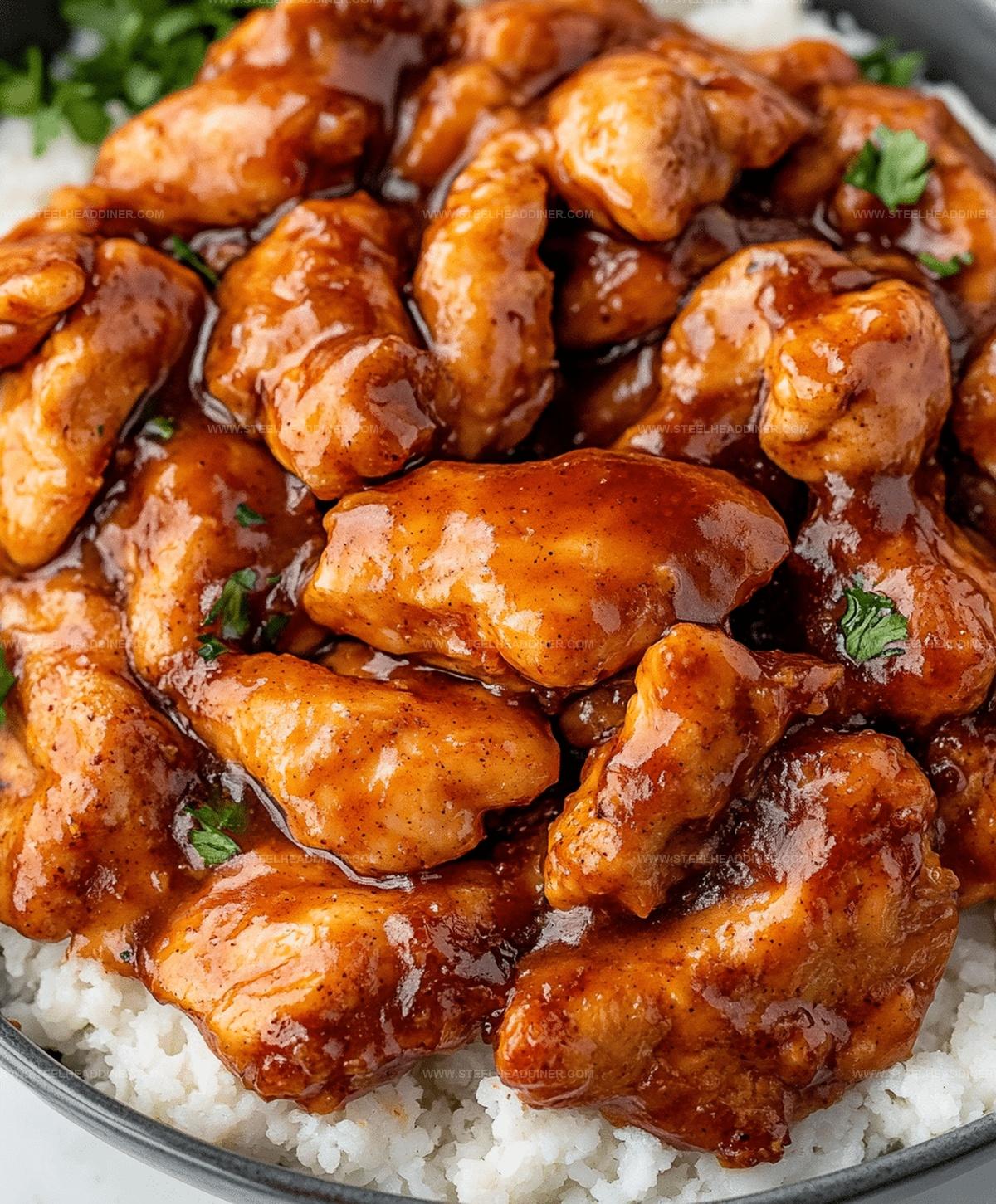
The Secret to Restaurant-Quality Hot Honey Butter Chicken Glaze
Imagine a dish that’s simultaneously spicy, sweet, savory, and undeniably rich, with a satisfying crunch in every bite. This isn't just a fantasy; it's the culinary masterpiece known as hot honey butter chicken. More than just a simple sweet and spicy dish, this culinary delight achieves a coveted "restaurant-quality" status thanks to a few ingenious techniques and a glaze that truly sets it apart. If you’ve ever wondered how to replicate that perfectly coated, glossy, and intensely flavorful chicken at home, prepare to unlock the secrets to a truly exceptional hot honey butter chicken experience.
Unlocking the Magic: What Makes Hot Honey Butter Chicken Irresistible?
At its heart, hot honey butter chicken is a symphony of contrasting flavors and textures that dance on the palate. The initial allure is its "swicy" profile – the harmonious blend of sweetness from honey and the fiery kick of chili. But it’s the addition of butter and savory elements that truly elevates it from a simple condiment to a luxurious glaze that clings to every crispy nook and cranny.
The magic lies in the sauce. As one culinary expert aptly describes, it's "everything" – a sticky, glossy, and intensely flavored concoction that combines the best of all worlds. You get the comforting richness of butter, the deep umami of soy sauce, the aromatic punch of garlic, and the unmistakable heat of sriracha or cayenne, all mellowed and softened by sweet honey. Each morsel of juicy, crispy fried chicken is enveloped in this buttery, fiery glaze, creating an experience so satisfying you'll be tempted to lick the plate clean. It's a dish for those who crave bold flavors and textures that excite the senses, bringing together crispy and tender, spicy and sweet, in the most delicious way imaginable.
Beyond Basic Hot Honey: The Glaze Game-Changer
While "hot honey" as a concept is simple – honey infused with chili peppers – many home attempts fall short of that desirable restaurant-quality finish. The primary issue? Honey, on its own, is a thin syrup. When applied to meat, it often runs off, pooling sadly at the bottom of the plate instead of creating that beautiful, clinging glaze we all crave. This leads to "chicken with sauce" rather than truly glazed chicken.
The secret to transforming this runny syrup into a thick, glossy, and adherent glaze is a technique called emulsification. This is the true game-changer for hot honey butter chicken. By whisking in cold butter near the end of the sauce-making process, you're not just adding richness; you're fundamentally changing the sauce's texture and consistency. As the cold butter melts and disperses into the warm honey and other liquids, its fat molecules become suspended, creating a stable emulsion. Think of it like making a vinaigrette or mayonnaise – two liquids that typically separate are forced to combine into a smooth, cohesive mixture.
This emulsification process achieves several crucial things:
- Perfect Adherence: The thickened glaze now has the viscosity to cling beautifully to the crispy chicken skin, ensuring every bite is coated without making it soggy.
- Balanced Flavor Profile: The butter not only adds an indulgent richness but also masterfully mellows the fiery burn from the chili, allowing you to savor the heat without being overwhelmed.
- Irresistible Sheen: The emulsified butter creates that signature glossy finish, making the chicken look as appealing as it tastes.
It’s this meticulous approach to the glaze that distinguishes truly outstanding hot honey butter chicken from its less impressive counterparts. It transforms a simple sweet-and-spicy dish into an indulgent, sticky, and perfectly balanced culinary triumph that consistently delivers restaurant-level satisfaction.
Crafting the Perfect Crispy Chicken Base
While the glaze is undoubtedly king, it needs a worthy vessel. The foundation of exceptional hot honey butter chicken lies in perfectly cooked, ultra-crispy chicken. Achieving this requires attention to detail, from chicken selection to frying technique.
Choosing and Preparing Your Chicken
For tender, juicy results, boneless chicken thighs are often recommended. They are more forgiving than breast meat and tend to stay succulent even after frying. However, if you prefer boneless, skinless chicken breasts, careful preparation is key to prevent them from becoming dry or rubbery. The trick is to pound the chicken breasts to an even thickness, usually about ½ inch. This ensures uniform cooking, preventing thinner sections from overcooking while thicker parts remain underdone. Regardless of the cut, always pat your chicken completely dry with paper towels before seasoning and coating. Moisture is the enemy of crispiness!
A simple marinade can also add subtle layers of flavor to the chicken before it’s even cooked. Ingredients like sesame oil, garlic powder, and paprika can infuse the meat with a delicate depth that complements the bold glaze. For a deeper dive into achieving that perfect crispy crust and understanding the nuances of this delectable dish, explore our article: Crispy, Swicy & Sticky: The Ultimate Hot Honey Butter Chicken.
The Secret to an Ultra-Crispy Crust
The truly exceptional crispy crust, reminiscent of popular Korean fried chicken, comes down to the batter. Forget basic all-purpose flour; the magic lies in using a blend of rice flour and potato starch. These starches produce an incredibly light, airy, and crunchy crust that stays crisp much longer than traditional flour coatings. They contribute less gluten, resulting in a delicate shell rather than a heavy, bready coating.
To seal in the juiciness and maximize crunch, a quick double-fry method is indispensable. The first fry cooks the chicken through, and the second, shorter fry at a higher temperature, crisps up the exterior, expelling any residual moisture and creating that signature shatteringly crisp texture. While deep frying might seem daunting, the relatively short cook time for boneless chicken makes it surprisingly approachable for home cooks. If you're looking for a quick and satisfying meal that doesn't compromise on flavor, our guide to Weeknight Hot Honey Butter Chicken: Fast Flavor, Crispy Crust offers streamlined tips for making this dish a regular in your rotation.
Ingredient Synergy: Building Layers of Flavor
The beauty of hot honey butter chicken lies not in a lengthy ingredient list, but in how simple, accessible components are combined to create profound flavors. Each ingredient plays a vital role:
- Butter: Beyond its role in emulsification, butter contributes immense richness and a creamy mouthfeel that balances the heat. Use unsalted butter to control the overall sodium content.
- Honey: The backbone of the "sweet" in "swicy." A standard pourable clover honey (like Nature Nate’s or Sue Bee) works perfectly, providing consistent sweetness without overpowering other flavors.
- Soy Sauce: This provides crucial umami and a savory, salty depth that rounds out the sweetness and spiciness. Opt for a good quality light or low-sodium soy sauce.
- Sriracha/Cayenne/Hot Sauce: This is where the "hot" comes in. Don't be shy here! The goal is to feel the heat, not just a whisper of pepper. A generous amount of sriracha or cayenne, or your favorite hot sauce, is essential for that distinctive tingling sensation. For a deeper, more complex heat, consider adding a touch of gochujang.
- Garlic: A universal flavor enhancer, garlic provides an aromatic base that ties all the other elements together, contributing a pungent savory note that's indispensable. Freshly minced garlic is always best for maximum impact.
- Sesame Oil & Paprika: Used in the marinade (if applicable), sesame oil adds a nutty aroma, and paprika offers a sweet, peppery warmth and a lovely reddish hue.
The genius of this recipe is that these everyday ingredients, when combined thoughtfully, create a flavor bomb that tastes far more complex and time-consuming than it actually is. It's the ultimate testament to the power of ingredient synergy.
Practical Tips for Hot Honey Butter Chicken Success
- Don't Fear the Fry: While it might seem intimidating, shallow frying boneless chicken is quick and relatively low-effort. Use a heavy-bottomed pan and a thermometer to maintain consistent oil temperature (around 350-375°F or 175-190°C) for the best results.
- Embrace the Emulsion: Seriously, the cold butter whisked in at the end is non-negotiable for that restaurant-quality glaze. Don't skip this step!
- Taste and Adjust: Before coating the chicken, taste your finished glaze. Does it need more heat? A touch more honey? A splash more soy sauce for umami? Adjust to your personal preference.
- Don't Crowd the Pan: When frying chicken, cook in batches to avoid lowering the oil temperature too much, which leads to greasy, less crispy results.
- Serve Immediately: For optimal crispiness and glaze texture, serve your hot honey butter chicken fresh off the pan. It's best enjoyed right away!
The secret to restaurant-quality hot honey butter chicken lies in a harmonious blend of crispy textures and a deeply flavorful, clinging glaze achieved through the ingenious technique of cold butter emulsification. By understanding the roles of each ingredient and applying a few simple cooking principles, you can recreate this irresistible dish at home, transforming an ordinary weeknight meal into an extraordinary culinary experience. Get ready to delight your taste buds with a dish that's truly spicy, sweet, savory, and perfectly rich.
